

Compressed Air Dryers: Correct Sizing, Air Quality and Maintenance Matter More Than You Think
An air dryer is only as good as its selection, installation, and maintenance. Getting any one of these wrong can cost your facility far more than the equipment itself.
Compressed air dryers are often selected based on compressor capacity and a manufacturer's published CFM rating. Unfortunately, it's not that simple. Operating pressure, compressed air inlet temperature, ambient temperature, required dew point and filtration all influence how effectively an air dryer performs.
At Air Solutions Canada Inc., we believe understanding these factors before purchasing equipment is essential to achieving reliable air quality, energy efficiency, and long-term performance.
1. Correct Dryer Sizing: The Catalogue Doesn't Tell the Whole Story
Many refrigerated style compressed air dryers drying capacities are rated under nominal conditions of:
- 100 PSIG operating pressure
- 100°F compressed air inlet temperature
- 100°F ambient temperature
These are commonly used rating conditions, although they vary by manufacturer and dryer design. Your facility probably doesn't operate under these exact conditions, particularly in the hottest and most humid summer months.
A dryer rated at 500 CFM in a catalogue may not be capable of handling 500 CFM under your actual operating conditions, such as June, July, and August. Higher inlet temperatures, higher ambient temperatures, and lower operating pressures can significantly reduce effective dryer capacity.
Manufacturer correction factors must be applied before selecting the dryer model.
Selecting a dryer without applying the correct factors risks inadequate moisture removal, excessive pressure drop, increased energy consumption, and premature equipment problems. The right dryer is sized for your actual operating conditions, not simply the number printed in a brochure, or stated by an inexperienced salesperson.
2. What Air Quality Does Your Facility Actually Need?
Not every compressed air application requires the same level of treatment.
General pneumatic tools, instrumentation, food processing, packaging, pharmaceutical manufacturing, and direct product contact can have vastly different air quality requirements.
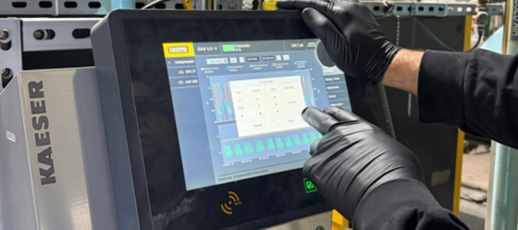
ISO 8573-1 provides a recognized framework for specifying compressed air purity in terms of:
- Solid particles
- Water content
- Total oil content
Understanding the required air quality is the starting point for selecting the appropriate dryer and filtration system. In fact, there is an inexpensive method for sampling and testing compressed air quality levels. This test creates a “benchmark,’ and furthermore, can be used to validate air quality for audit and breathable compressed air audits.
Over-treating compressed air wastes money. Under-treating it introduces operational and product-quality risks.
3. Understanding Dew Point, in simple terms:
Imagine taking a cold glass of water outside on a hot summer's day. Within minutes, droplets of water begin forming on the outside of the glass. The glass appears to be "sweating," but where does that water come from? It's not coming through the glass; it's moisture already present in the surrounding ambient air.
When warm, humid air comes into contact with the cold glass, the air cools below its dew point, which is the temperature at which water vapour begins turning from invisible vapour into liquid water. The exact same principle applies to your compressed air system.
All atmospheric air contains moisture. When air is compressed, that moisture becomes concentrated. As the compressed air cools, water begins to condense inside the system.
Without an appropriately sized and functioning air dryer, that moisture can travel through your compressed air piping, potentially causing corrosion, damaged equipment, production interruptions, and product contamination. A compressed air dryer controls this moisture by reducing the air's pressure dew point, (PDP,) helping prevent condensation as the air travels through your facility.
The bottom line: Just because you can't see water in your compressed air doesn't mean the moisture isn't there. The right air dryer keeps that moisture from becoming a problem.
4. Understanding Different Air Dryer Technologies
Pressure dew point is the temperature at which water vapour in compressed air turns to liquid at system pressure. It's how Air Solutions Canada measures how much water is left in a system. The lower the number, the drier the air, and each type of dryer reaches a different level.
Refrigerated dryers
Commonly used in general industrial applications, refrigerated dryers, (often referred to as fridge dryers), typically deliver pressure dew points around +3°C (+37°F). They offer practical, energy-efficient moisture removal when properly sized and maintained. If the compressed air pipework is not exposed to a temperature below the fridge dryers PDP, the system will be free of unwanted condensate contamination.
Desiccant dryers
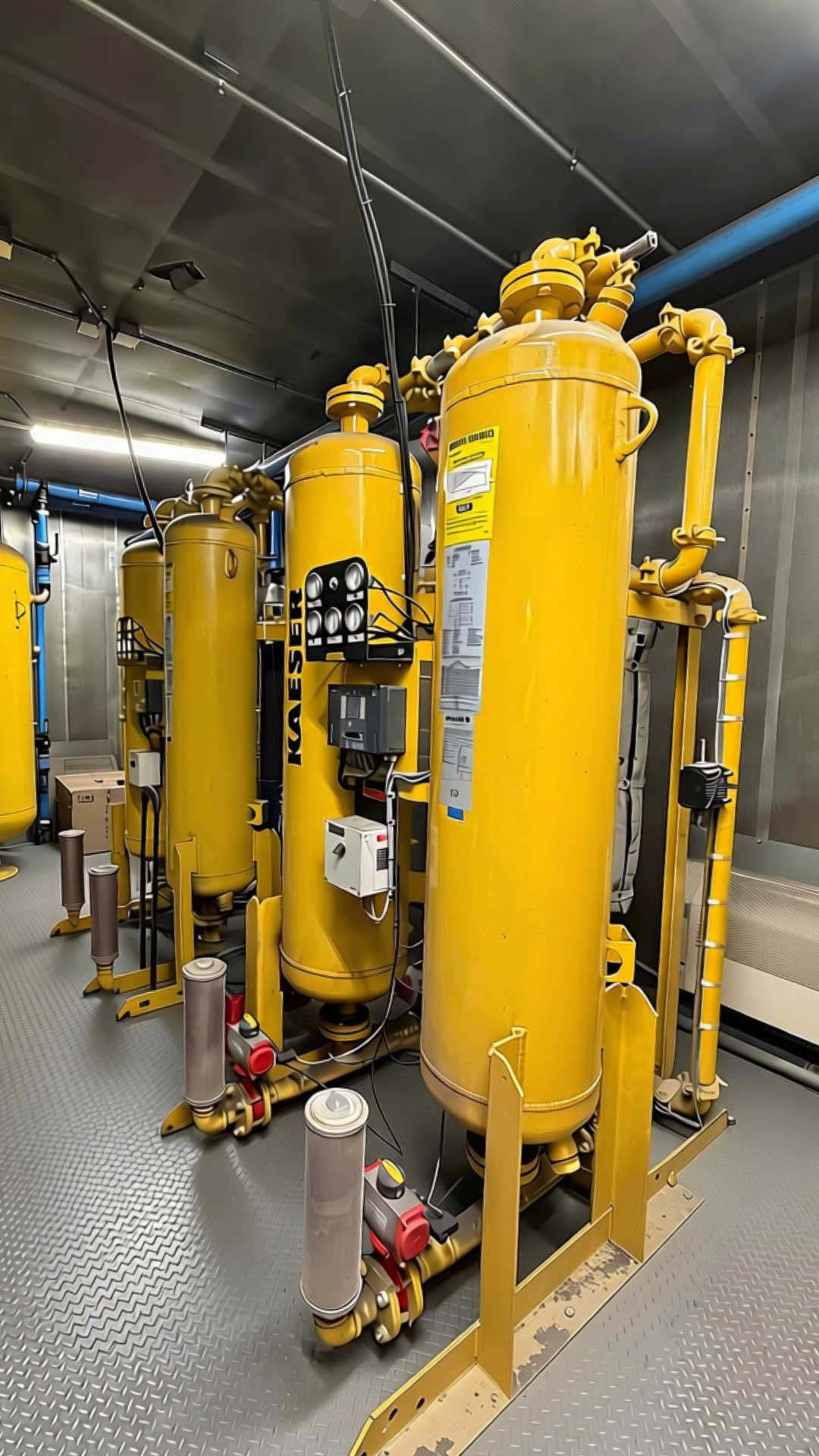
Designed for applications requiring significantly lower dew points, desiccant dryers use the small beads you’d find inside a bag stating “do not eat” and found inside products such as new shoes and electronic goods. Desiccant beads adsorb moisture and produce a variation of extremely low-pressure dewpoints, most commonly -40°C or lower.
Heatless, heated, and blower-purge technologies offer different energy consumption, purge air and maintenance characteristics, and these should be thoroughly researched prior to a purchase. The cost of ownership can vary immensely between the style of regeneration method a desiccant dryer uses.
In “basic terms”, a Heatless style dryer discharges approximately 15% of its total drying capacity to regenerate the desiccant. If the dryer was rated for a 1,000cfm throughput @ 100psig, the purge loss will equate to approximately 150cfm, and in a standard dryer this purge loss occurs for 4 minutes, of every 5-minute period.
In comparison, a Heated, Exhaust Purge dryer purge loss will be approximately 7.5%, while Blower Purge dryers carry a slightly higher purchase price tag, but reduce purge loss to as low as 1%.
FYI: there are currently fantastic, easy to access, Save on Energy rebate incentives available for desiccant air dyers. Our team walk you through every step of the application process, from start to finish.
Membrane Air dryers
Compact, often point-of-use solutions suited to specific lower-flow applications, Membrane dryers’ performance depends on operating conditions and purge air requirements. Membrane technology has advantages and limitations. The correct choice depends on the application, the required dew point, operating conditions and total cost of ownership.
Need help choosing the right air dryer for your operation? Ask our team.
4. Filtration: Just as Important as the Dryer
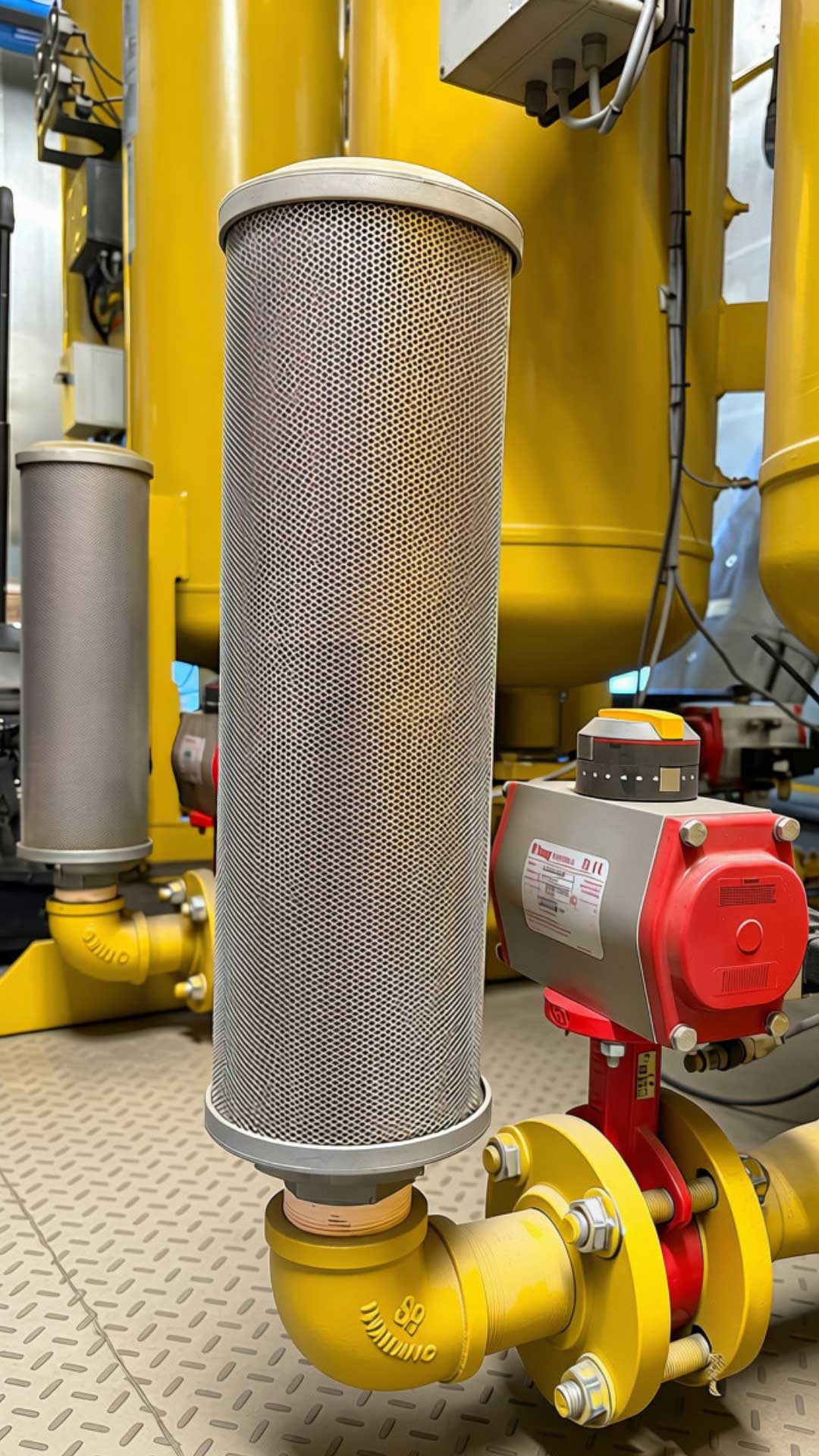
A correctly sized air dryer can still fail to deliver the required air quality if filtration is poorly selected or maintained. Depending on the application, treatment may include:
- Water separators for bulk liquid removal
- Coalescing filters for oil aerosols and fine liquid droplets
- Particulate filters for solid contaminants
- Activated carbon filters for oil vapour and odours, (smell and taste)
- Sterile filtration for applications requiring microbiological control
Filter sizing, pressure drop and element replacement intervals all matter.
Undersized filters and heavily contaminated elements increase differential pressure, forcing compressors to work harder to maintain downstream pressure. The net effect and impact of this scenario will be an increase to your Hydro bill, and low-pressure issues at points of use.
Filter elements also have finite service lives. Replacement should follow manufacturer recommendations, operating hours, differential pressure limits and actual service conditions.
A filter housing can last for years. Its element cannot be expected to perform indefinitely, and the savings achieved from failing to replace elements, at least once per year, pale into insignificance, compared to production quality risks and the energy cost increases.
5. Don't Rely on Catalogue Selection Alone
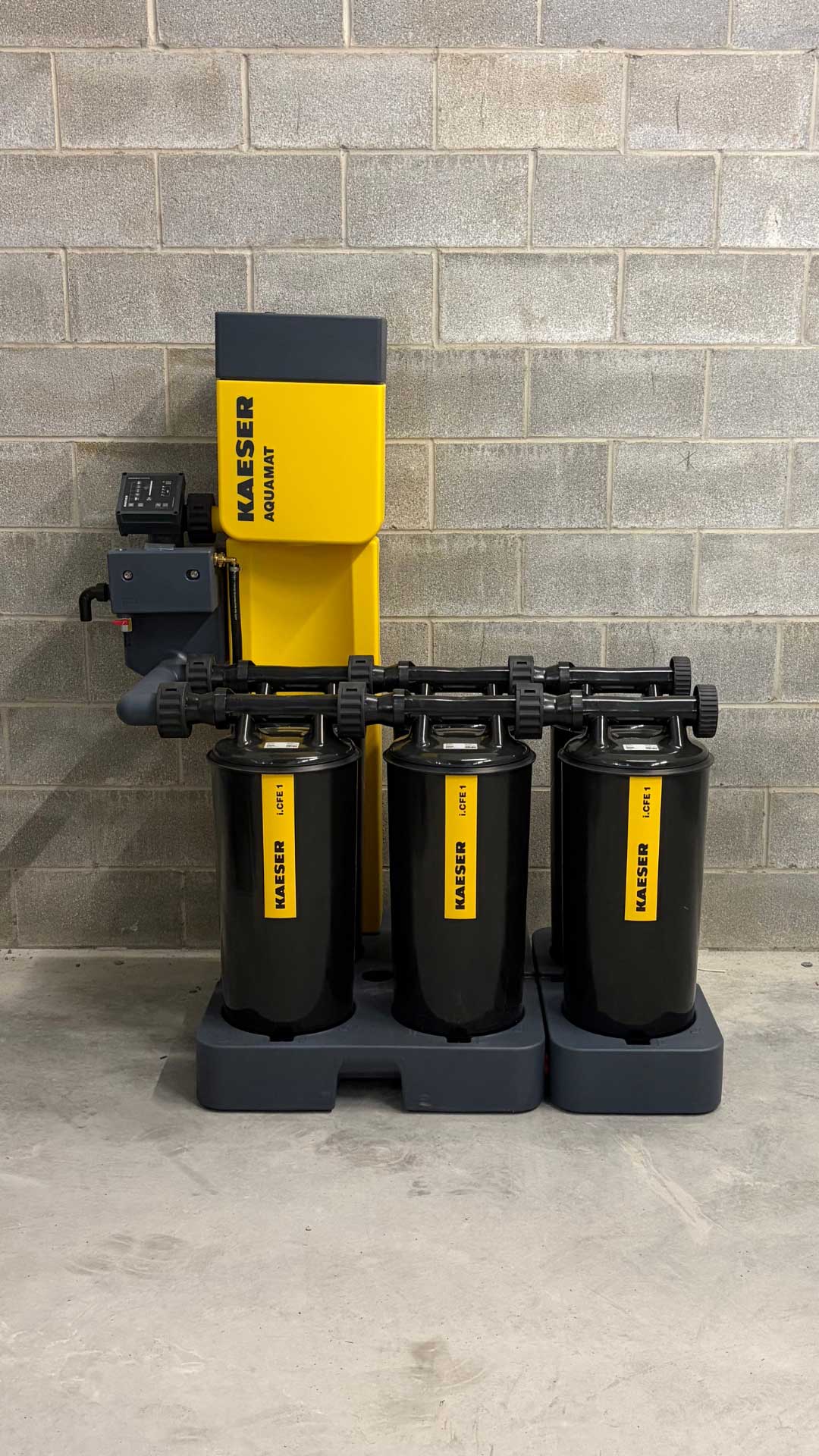
Compressed air treatment equipment should be specified by someone who understands the entire compressed air system. Before recommending a dryer, a knowledgeable specialist should establish:
- Actual and anticipated air demand
- Operating pressure and pressure variations
- Maximum compressed air inlet temperature
- Maximum ambient temperature
- Required pressure dew point and ISO air quality class
- Filtration requirements and allowable pressure drop
- Seasonal conditions, installation environment and future expansion
A catalogue tells you what a dryer can do under specified conditions. A qualified compressed air specialist determines how it will perform in your facility.
Incorrect selection can be an expensive mistake, particularly when equipment performs adequately during cooler months but struggles during summer operating conditions.
6. Air Dryer Service Is a Specialist Discipline
Refrigerated air dryers contain refrigeration systems but servicing them requires more than general HVAC knowledge. A qualified compressed air dryer technician must understand the interaction between the refrigeration circuit, compressed air flow, moisture separation, condensate drainage, pressure dew point and industrial operating conditions.
Likewise, desiccant dryers require specialist knowledge of regeneration cycles, purge air consumption, switching valves, controls and desiccant condition. Poor servicing can lead to unnecessary energy consumption, moisture carryover, recurring failures and reduced dryer life.
An HVAC technician and a compressed air dryer specialist are not automatically interchangeable.
At Air Solutions Canada Inc., we have three factory-trained, certified technicians holding refrigeration qualifications, providing specialist knowledge to support refrigerated air dryer systems, alongside our compressed air treatment service capabilities. From performance troubleshooting and preventative maintenance to dryer selection, filtration and system optimization, our team understands the importance of treating compressed air as a complete system.
The Bottom Line
Selecting a compressed air dryer is not simply about matching CFM ratings. It requires a clear understanding of operating conditions, correction factors, required air quality, filtration, pressure drop and ongoing maintenance.
The right equipment, correctly sized and professionally maintained, protects your production, your energy costs and your investment.
Before replacing or purchasing an air dryer, speak with a compressed air specialist who understands the complete system.
Frequently asked questions
What size compressed air dryer do I need?
Seven key questions every buyer should establish.
- The ambient temperature the dryer will reside in, (min and max temp).
- The approach temperature the dryer will experience, (min and max temp).
- The System pressure that the dryer will see at its inlet pipe.
- What PDP, or ISO quality class does my facility require?
- Establish the cost of ownership.
- Does the local service company have ticketed and licensed techs, and is the service performed by their own staff, or a subcontractor?
- What level of filtration does my facility and dryer require?
Why am I getting water in my compressed air?
Was the dryer correctly sized using a correction factor for temperatures and pressures outside of the design operating parameters for your dryer? Perhaps the dryer is undersized, or requires service, additional refrigeration “top up” or a replacement automatic condensate drain trap. The compressor room and area around the dryer should be well ventilated, and the air compressor discharge temperature, and compressor coolers/heat exchangers should be checked for performance, temperature reading and “fouling”.
How often should my compressed air dryer be serviced?
Because the air dryer and associated filtration system are of paramount importance to the air quality you are delivering to the plant, regular preventative maintenance of the air dryer should not be overlooked. In our experience, semi annual visits by a specialist refrigeration and compressed air expert are recommended. In critical air quality production, such as Food, Pharm, Dairy, and Brewing, dryer service once every 3 months, quarterly is common.
Refrigerated vs. desiccant dryer: which is better?
Choosing the correct type of dryer is all contingent on the site conditions and end user compressed air quality requirements. Establishing the fundamentals is an essential part oof the dryer selection process, and when the correct dryer is chosen, installed, and serviced routinely, both refrigerated dryers and desiccant dryers are the perfect remedy for clean dry compressed air supply to your users.
The variables associated with air dryer selection might include:
- Is the compressed air pipework situated inside a temperature-controlled building, which remains above 3°C, (37°F), our travelling outside the facility and exposed to temperatures lower than these?
- A compressed air quality test is a great starting point, to establish a benchmark of compressed air dirt, oil, water (PDP), and hydrocarbon content. We can’t improve what we don’t measure.
- Do you require the same air quality through out the operation, or can point of use dryers “polish” the critical points of use and applications?
Our free site survey Discovery Calls are available at no cost and no obligation.
What filters should I install with my air dryer?
Typically, a fridge dryer requires a prefilter to remove the particulates and protect the small diameter heat exchangers from “fouling”. A blocked heat exchanger will dramatically reduce the dryer’s ability and efficiency at removing unwanted condensate contamination.
As the compressed air exits the fridge dryer it is very cold, and subsequently we exchange the cold out going air with the hot incoming air. This has a 3 pronged efficiency impact:
- The incoming temperature and heat load is reduced to the benefit of the refrigeration system.
- The out going compressed air temperature is raised to coincide with the ambient temperature.
- This outgoing temperature is the perfect temperature for the removal of liquid oil and vapour.
The installation of a coalescing oil removal after filter is therefore highly recommended on the outlet pipework of a fridge dryer.
Are automatic condensate drains important?
In our experience, the drain trap is arguably the most critical line of defence to ensure the removal and discharge of oil/water condensate is achieved. A failed drain trap is a failed purification system.
When should I replace my filter elements?
There are many variables to consider here. Run hours, compressor age, condition, and service state. Are the parts OEM or aftermarket and so on. As a “rule of thumb:”
- Coalescing filters - Semi Annually
- Particulate filters - Annually
- Activated carbon filters - Semi Annually
- Sterile filtration – After 100 steam sterilizations or as per Quality Assurance